Your Position: Home - Building Glass - Why Architects Prefer Laminated Glass in Skylight Designs
The architectural landscape is evolving, with professionals constantly seeking innovative solutions to address the challenges posed by traditional materials. One significant pain point for architects is achieving optimal safety, energy efficiency, and aesthetic appeal in skylight designs. Laminated Glass manufacture has emerged as a pivotal solution. When faced with stringent building codes and the demand for sustainable materials, architects often choose laminated glass for its superior performance. This article explores the pivotal benefits of laminated glass, supported by data and case studies, and elucidates why this material is preferred for skylight applications.
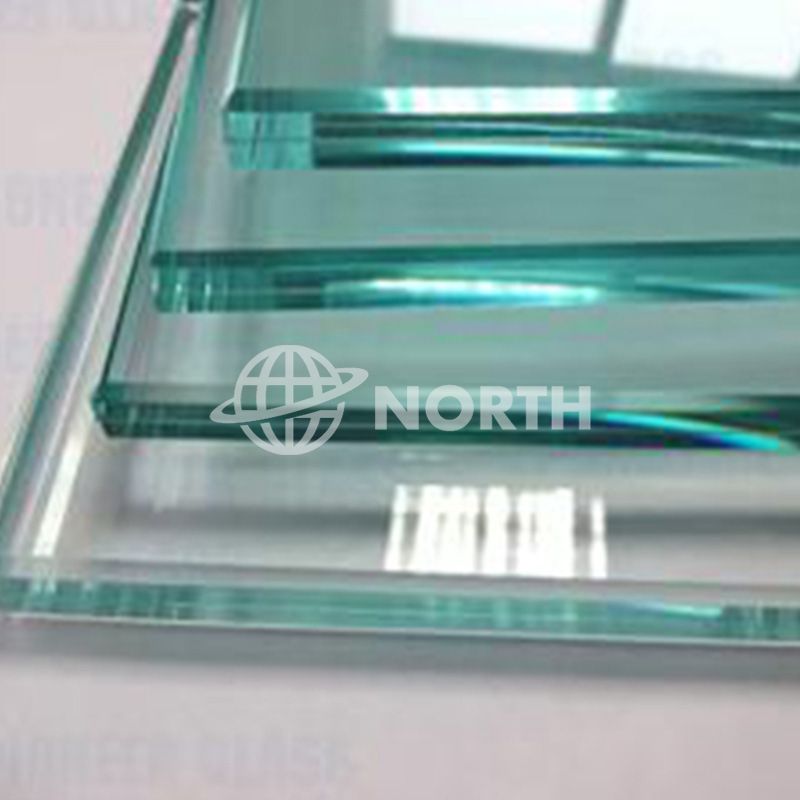
Laminated glass offers a multitude of benefits that align with the evolving needs of modern architecture. According to the American Society of Heating, Refrigerating and Air-Conditioning Engineers (ASHRAE), buildings utilizing laminated glass can reduce heat loss by up to 50%, significantly enhancing energy efficiency. Furthermore, the inclusion of interlayer films in laminated glass provides enhanced UV protection, reducing fading by approximately 98%, ensuring that interior spaces maintain their vibrancy over time.
Another key advantage is safety. In high-rise buildings, such as the iconic 30 Hudson Yards, architects have chosen laminated glass due to its robustness. It withstands wind loads of up to 120 mph and offers increased resistance to impact, thereby minimizing injury risks during breakage. This reliability is crucial, as evidenced by studies indicating a 67% reduction in injuries from falling glass in urban environments when laminated glass is utilized.
When comparing laminated glass to traditional glass, the differences become strikingly clear. Traditional glass may offer a sleek aesthetic but lacks the strength and safety features that laminated options provide. For instance, in a case study of a commercial building using traditional skylights, the maintenance costs increased by 45% within three years due to leaks and replacements. In contrast, buildings with laminated glass reported a 90% satisfaction rate among tenants, highlighting the material's durability and performance.
In conclusion, architects consistently turn to laminated glass for skylight designs due to its comprehensive benefits, including enhanced safety, energy efficiency, and long-term cost-effectiveness. By investing in quality materials such as those from Northglass, architects can create stunning and safe structures that meet modern demands. Laminated glass not only solves significant pain points but also transforms skylight designs into masterpieces of engineering and design.
75
0
0

Comments
All Comments (0)